The Basics
Musical Styles
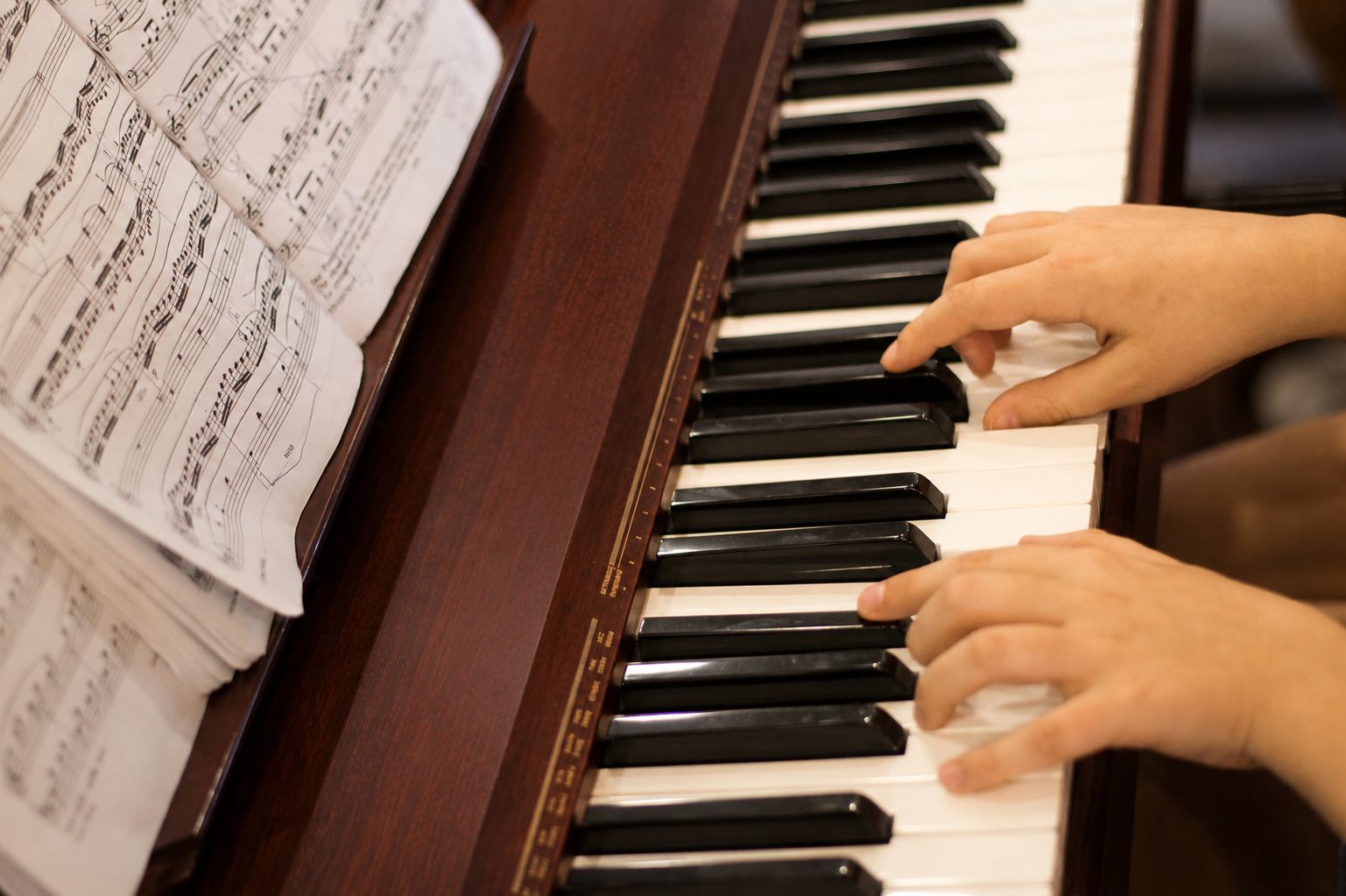
Lessons are rooted in classical piano training while incorporating a variety of musical styles and genres, including sacred music, folk songs, jazz, blues, popular selections, and student favorites when appropriate. This balanced approach builds strong musicianship while keeping lessons engaging, enjoyable, well-rounded, and diversified.
Lesson Lengths and Schedules
Time slots are offered in 30-, 45-, and 60-minute sessions. The studio follows a fall and spring semester schedule, each consisting of 16 lessons over a five-month period. Summer lessons and special enrichment opportunities are available as scheduling permits.
A well-rounded education
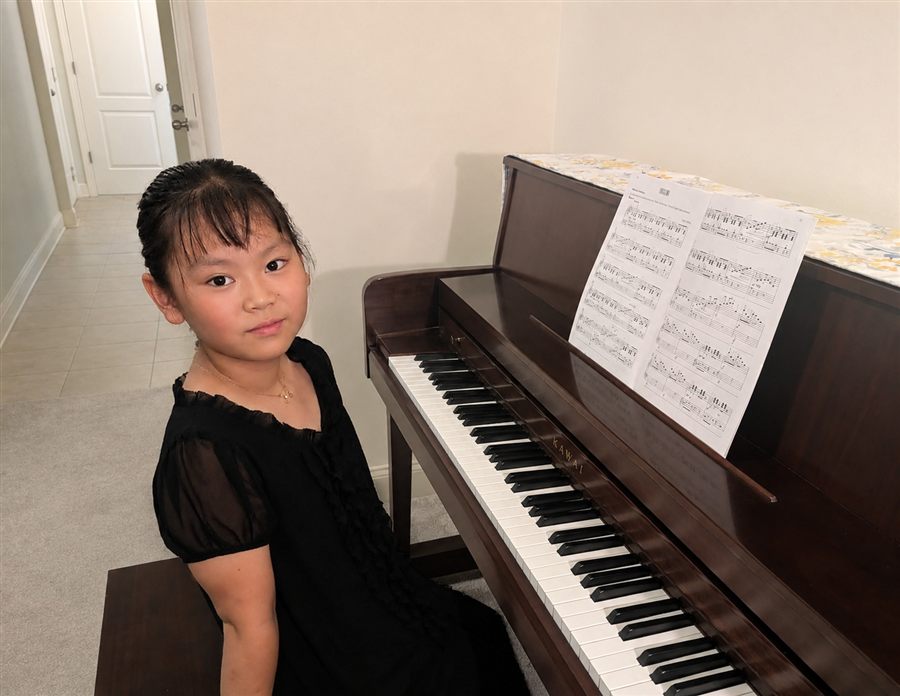
Lessons are individualized for each student's age, experience, and goals. Throughout their musical journey, students will develop a well-rounded foundation that may include:
Students learn to read music fluently and develop sight-reading skills, enabling them to learn new pieces with greater confidence and independence.
Proper technique develops coordination, finger independence, tone quality, and expressive playing while helping to prevent unnecessary tension and injury.
Students learn the building blocks of music—including rhythm, scales, intervals, chords, and harmony—to better understand what they play and become more confident musicians.
By developing listening skills, students learn to recognize melodies, rhythms, and harmonies, strengthening musical memory while laying the foundation for playing by ear and improvisation.
Learning about composers and the historical background of each piece helps students better understand musical styles and perform with greater expression and artistry.
Duets and ensemble playing encourage teamwork, communication, listening, musical awareness, and the joy of making music with others.
Students learn to shape phrases, dynamics, articulation, and tone, allowing them to communicate the character and emotion of each piece with confidence and artistry.
As students progress, they may also have opportunities to explore a variety of musical styles, including, but not limited to, classical repertoire, sacred music, hymns, duets, pop music, and improvisation.


Benefits Beyond the Piano
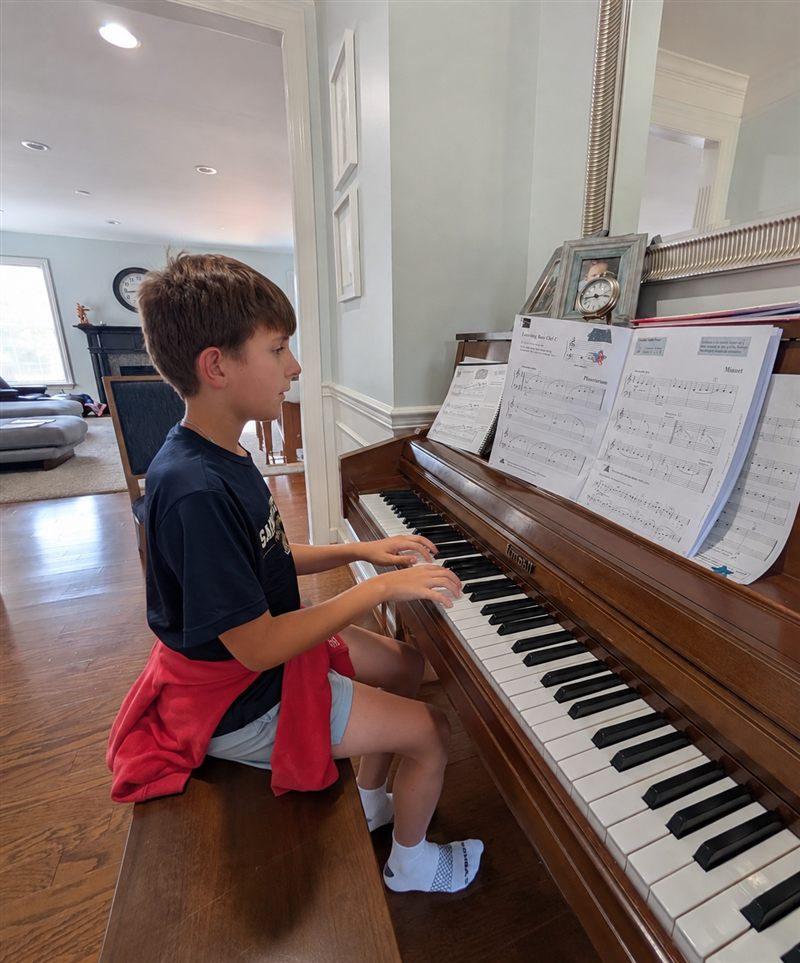
Music study offers benefits that extend far beyond the piano, providing students with opportunities to develop valuable skills that support learning, personal growth, and everyday life.
-
Concentration
Develops focus, attention span, and pattern recognition as students learn to observe details and think critically while reading and performing music.
-
Confidence
Builds self-esteem, resilience, and a sense of accomplishment that extends beyond the piano as students overcome challenges and achieve meaningful goals.
-
Creativity
Encourages imagination, artistic expression, creative thinking, and personal interpretation as students learn to bring each piece to life.
-
Discipline & Perseverance
Teaches patience, responsibility, diligence, and the value of consistent practice while working toward long-term goals.